Get Landscape Mulching
Landscape mulching services offered by local contractors help improve curb appeal, control weeds, retain soil moisture, and protect plant beds during various landscaping projects.
Landscaping projects often include mulching to enhance the appearance and health of outdoor spaces. Property owners in the area may consider mulching services to improve soil quality, control weeds, and create a polished, cohesive look around gardens, flower beds, and trees. Whether planning a new landscape design or maintaining an existing one, exploring local contractors who specialize in mulching can help ensure the work is completed efficiently and effectively.
By comparing options from nearby service providers, property owners can find professionals experienced in delivering tailored mulching solutions suited to their specific landscape needs. Continuing to explore local contractors allows for a better understanding of the services available, helping to make informed decisions about enhancing outdoor environments with quality mulching work.
- Residential gardens - homeowners seeking to enhance curb appeal and maintain tidy outdoor spaces.
- Commercial properties - businesses needing professional mulching to improve landscape aesthetics and reduce maintenance.
- New landscape installations - projects requiring initial mulching to establish healthy plant beds and weed control.
- Erosion control sites - areas prone to soil erosion that benefit from mulching to stabilize the ground.
- Seasonal yard updates - property owners looking to refresh their landscape with fresh mulch for seasonal appeal.
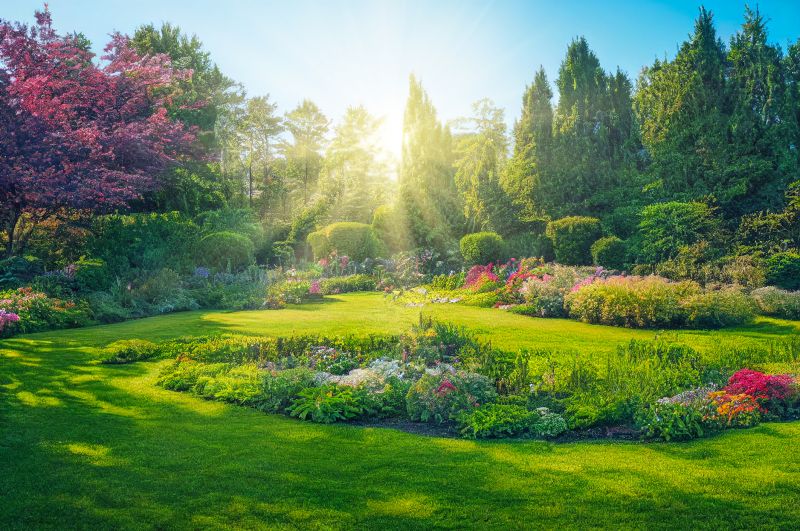
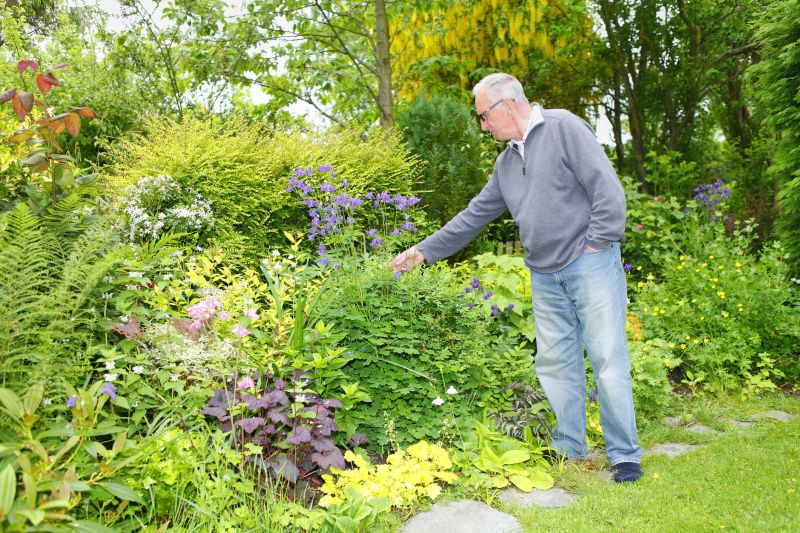
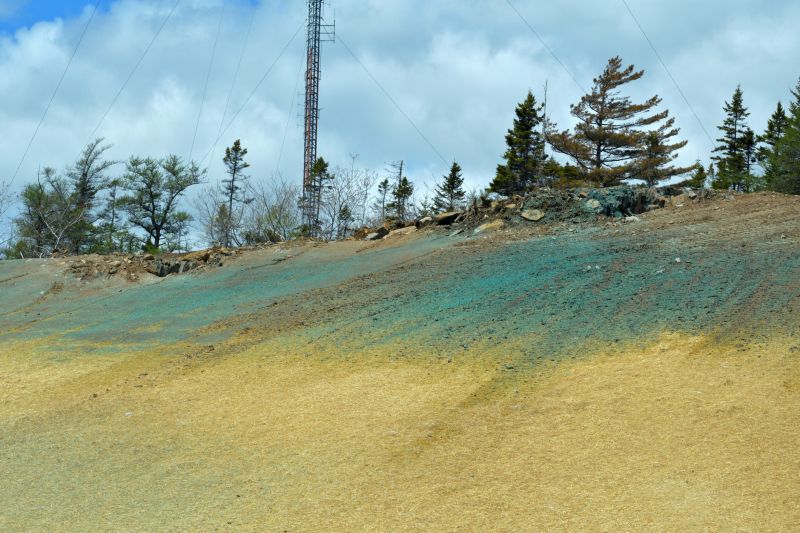
Landscape mulching services involve placing a layer of material around trees, shrubs, flower beds, and other landscaped areas to improve appearance, protect plant roots, and promote healthy growth. This process typically includes removing existing weeds or debris, preparing the soil surface, and spreading mulch evenly across designated areas. The types of mulch used can vary, including organic options like wood chips, bark, or compost, as well as inorganic materials such as rubber or gravel. Professional landscapers ensure that the mulch is applied at the correct depth and evenly distributed to create a clean, attractive look while providing functional benefits.
One of the primary problems landscape mulching addresses is weed control. A fresh layer of mulch acts as a barrier, limiting sunlight reaching weed seeds and reducing their ability to sprout and grow. Mulching also helps conserve soil moisture, preventing rapid evaporation during hot weather, which can be especially beneficial for maintaining healthy plants. Additionally, mulch can insulate plant roots from extreme temperature fluctuations and reduce soil erosion caused by wind or rain. These benefits contribute to healthier, more resilient landscaping, making mulching a practical solution for maintaining a vibrant yard with less frequent weeding and watering.
This service is commonly used on residential properties, including single-family homes, townhouses, and small estates. It is especially popular in gardens, flower beds, and around trees where a neat, finished appearance is desired. Property owners who want to reduce yard maintenance, enhance curb appeal, or protect delicate plants often seek professional mulching services. Larger properties such as community parks, commercial landscapes, and school grounds also benefit from mulching to create low-maintenance, attractive outdoor spaces. Regardless of property size, local contractors can tailor mulching solutions to meet specific landscape needs and aesthetic preferences.
Homeowners who notice excessive weed growth, uneven soil moisture, or signs of soil erosion may find landscape mulching services particularly helpful. Mulching can also be a strategic part of a broader landscape improvement plan, helping to prepare beds for new plantings or restoring the appearance of overgrown areas. If a property has bare patches or looks tired and unkempt, adding fresh mulch can quickly enhance visual appeal and health. Consulting with local landscape professionals can help determine if mulching is a suitable step for maintaining or improving a property's outdoor environment, ensuring the right materials and application techniques are used for lasting results.
The overview below groups typical Landscape Mulching projects into broad ranges so you can see how smaller, mid-sized, and larger jobs often compare in your area.
In many markets, a large share of routine jobs stays in the lower and middle ranges, while only a smaller percentage of projects moves into the highest bands when the work is more complex or site conditions are harder than average.
Smaller Mulching Projects - For routine mulching around flower beds or small landscaped areas, local contractors typically charge between $250 and $600. Many jobs in this range involve applying mulch to a few beds or a small yard, which is common for many homeowners.
Medium-Scale Mulching - Larger landscaping projects, such as mulching multiple beds or a sizable yard, can cost between $600 and $1,500. These projects often fall into the middle price range, with fewer projects reaching the higher end for more extensive work.
Full Mulching Installation - Complete mulching of an entire landscape or multiple large beds generally ranges from $1,500 to $3,000. Larger, more complex projects can go beyond this, but most routine installations stay within this band.
Major Landscape Overhaul - Extensive mulching for large properties or significant landscape renovations can exceed $3,000, with some complex projects reaching $5,000 or more. These higher tiers are less common and typically involve detailed planning and larger areas.
Actual totals will depend on details like access to the work area, the scope of the project, and the materials selected, so use these as general starting points rather than exact figures.
Garden Bed Installation - This project involves planning and installing defined planting areas, requiring skills in landscape design and soil preparation similar to mulching services.
Hardscape Construction - Building features like patios, walkways, and retaining walls involves site planning and material handling that align with the expertise needed for landscape mulching.
Soil Preparation and Grading - Preparing the ground for planting or other landscape features requires understanding of soil conditions and site leveling, skills shared with mulching projects.
Landscape Planting - Planting trees, shrubs, and flowers involves site assessment and planning, often coordinated with mulching to enhance growth and appearance.
Irrigation System Installation - Setting up irrigation involves planning and precise installation, complementing the site preparation and maintenance aspects of mulching services.
Erosion Control Projects - Implementing solutions to prevent soil erosion involves site assessment, soil stabilization, and landscape planning similar to mulching work.
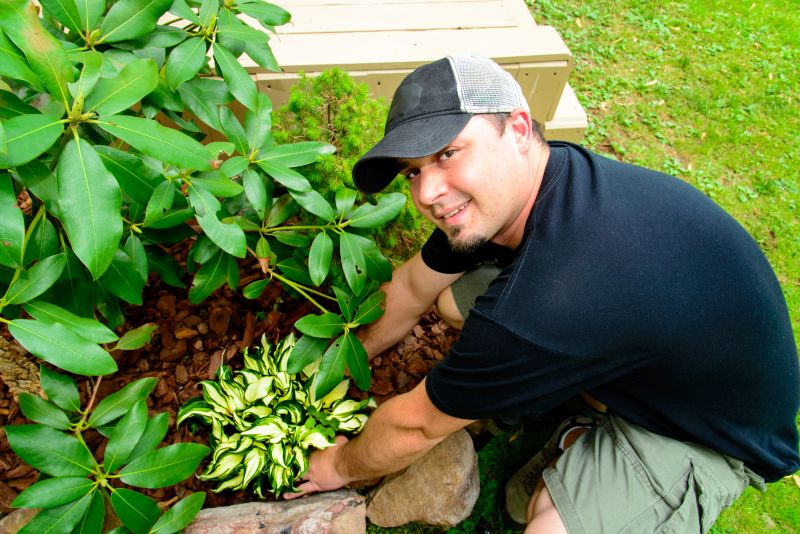
When comparing landscape mulching services, it’s important to consider the experience of local contractors with similar projects. Look for service providers who have a history of working on properties like yours, whether it’s a small residential yard or a larger landscape. An experienced professional will understand the nuances of different mulch types, soil conditions, and landscaping styles, helping to ensure the final result aligns with your vision. Asking about past projects or viewing portfolios can provide insight into their familiarity with mulching tasks comparable to what you need.
Clear written expectations are essential for a smooth working relationship. When evaluating local pros, inquire about the scope of work they typically perform and request detailed descriptions of what their service includes. Having a transparent understanding of the process, materials used, and what to expect at each stage helps prevent misunderstandings. It’s also helpful to establish agreements in writing that outline responsibilities, project details, and any specific preferences you have, ensuring everyone is on the same page before work begins.
Good communication and reputable references are key indicators of a reliable service provider. Seek out local contractors who are responsive to questions and willing to discuss your project in detail. Asking for references from previous clients can offer valuable insights into their professionalism, work ethic, and quality of service. A contractor who communicates clearly and has positive feedback from others is more likely to deliver a satisfactory experience. Remember, this site introduces homeowners to local options for mulching services but does not perform the work itself, so taking the time to compare and verify these qualities can help find the right fit for your landscape project.
Property owners use Landscape Mulching services for practical projects around their homes and businesses. This guide focuses on everyday jobs and straightforward project options.
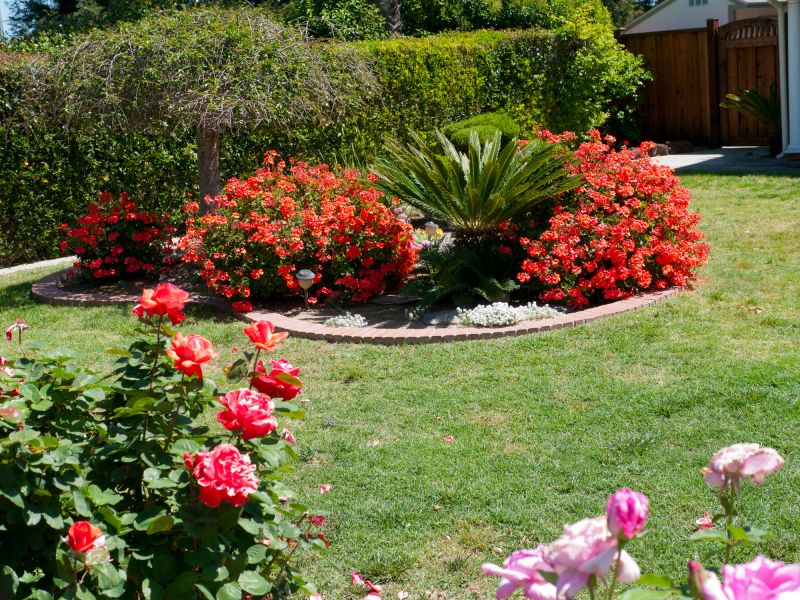

Landscape mulching services are commonly sought after for a variety of everyday property projects. Homeowners often look to improve curb appeal, control weeds, or protect plant beds from harsh weather conditions. Whether preparing for planting season or refreshing existing landscaping, property owners may turn to local contractors to help install mulch that enhances the overall appearance and health of their outdoor spaces.
Many property owners also seek mulching services to reduce maintenance efforts and promote healthier plant growth. Local contractors can provide solutions that help retain soil moisture, suppress weeds, and create a tidy, polished look. These services are frequently chosen during landscaping upgrades or routine yard updates, making them a practical choice for those wanting to keep their outdoor areas well-maintained and visually appealing.
What are the benefits of landscape mulching? Landscape mulching helps improve curb appeal, suppress weeds, retain soil moisture, and protect plant roots from temperature fluctuations.
What types of mulch are available for landscaping? Common options include organic mulches like wood chips, bark, and compost, as well as inorganic mulches such as gravel and rubber.
How does mulch affect plant health? Mulch maintains consistent soil temperature, conserves moisture, and reduces weed competition, promoting healthier plant growth.
Can landscape mulching be used around different types of plants? Yes, mulch can be applied around trees, shrubs, flower beds, and vegetable gardens to provide benefits tailored to each plant's needs.
What should be considered when choosing mulch for a landscape? Factors include the type of plants, desired appearance, durability, and the specific benefits each mulch material offers for the landscape.
Enhance curb appeal - Mulching can give flower beds and garden areas a fresh, polished look that boosts the overall appearance of a property.
Control weeds and pests - Applying mulch helps suppress weed growth and can reduce pests around plants and shrubs.
Improve soil health - Mulch maintains moisture and adds organic matter, supporting healthier plant growth in landscape beds.
Define landscape features - Using mulch to outline pathways, garden beds, or tree rings creates a neat and organized outdoor space.
If you are thinking about Landscape Mulching for a property, this guide is meant to help you understand the work, the typical project types, and how different options might fit your plans.
When you are ready, you can use the quote form on this page to share a few details about your project. From there, local pros can review the basics and respond with options that match what you have in mind.